Teen Dental Health: Cavities, Sports, Orthodontics, and Habits That Stick
May 26, 2026Teenagers have a lot going on, and dental care is not always at the top of the list. Between school, sports, jobs, friends, late-night snacks, coffee drinks, energy drinks, braces, aligners, and busy schedules, teeth can take a beating without anyone noticing right away. Then a cavity shows up, a retainer disappears, or a tooth gets chipped during practice, and suddenly dental health becomes very real.
The teen years are also when lifelong habits start to take shape. A teenager who learns how to care for their teeth with a packed schedule is more likely to carry those habits into adulthood. However, teens do not need a lecture every time they sit in the dental chair. They need clear guidance, practical tools, and a dental team that can talk to them like people who are learning to manage their own health.
At ADC Dental Group in Joplin, MO, Dr. John C. Durling helps teens and families stay ahead of common dental concerns, from cavities and sports injuries to orthodontic questions and home care routines. Whether your teen has Invisalign, plays contact sports, forgets to floss, or seems to live on iced coffee and snacks, routine dental visits can help keep their smile healthy through a busy stage of life.
Why Teen Dental Health Deserves Its Own Conversation
Teen dental health is different from childhood dental care and different from adult dental care. Teens often have most or all of their permanent teeth, but they are still building the habits needed to care for them. At the same time, their routines can be unpredictable.
A teen may brush well during the week but skip nighttime brushing after late practices or weekend plans. They may eat more often throughout the day, sip sweet drinks slowly, or snack while studying. Those small habits can raise cavity risk, especially if brushing and flossing are rushed.
This is also an age when appearance can become more important. Teens may be interested in straighter teeth, whiter teeth, or a smile that feels more confident in photos. Orthodontic care, including Invisalign for the right candidate, can be part of that conversation.
Because teens are becoming more independent, dental visits should help them understand what is happening in their mouths. Parents still play a role, but teens also need to hear what they can do day to day to protect their own teeth.
Cavities in Teens Often Start With Daily Habits
Cavities do not always come from one obvious mistake. More often, they come from repeated patterns. Sipping sugary drinks over several hours, snacking often, brushing quickly, skipping floss, or not cleaning well around braces or aligners can all create the right environment for decay.
Teen schedules can make this harder. Breakfast may be rushed. Lunch may include sports drinks, soda, or packaged snacks. After-school activities can lead to more grazing. By nighttime, brushing may feel like one more chore at the end of a long day.
During a dental visit, Dr. Durling can check for early signs of decay, weak spots in enamel, plaque buildup, and areas that are hard for your teen to clean. If a cavity is found early, treatment is often simpler than waiting until the tooth hurts.
The goal is not to make teens feel guilty about every snack or drink. Instead, it helps to talk about timing and habits. Drinking water after meals, keeping sweet drinks to mealtimes, brushing before bed, and cleaning between teeth can lower cavity risk without making life feel overly restricted.
Sports, Mouthguards, and Protecting Teeth From Injury
Sports can be great for teens, but they also come with a real risk of dental injuries. A fall, elbow, ball, stick, or collision can chip, crack, loosen, or knock out a tooth. These injuries can happen in contact sports like football, hockey, basketball, and wrestling, but they can also happen in soccer, baseball, softball, cheer, skateboarding, and other activities.
A mouthguard helps absorb impact and protect the teeth, lips, cheeks, and jaw. Store-bought mouthguards are better than nothing, but they may feel bulky or fit loosely. When a mouthguard does not fit well, teens are less likely to wear it consistently.
A custom mouthguard from a dental office is made to fit the teeth more closely. It can feel less bulky and stay in place better during play. For teens with braces or orthodontic appliances, fit becomes even more important because brackets and wires can increase the risk of cuts or injury during impact.
If your teen plays sports, it is worth asking about the best mouthguard option. Protecting teeth before an injury is much easier than repairing a broken or knocked-out tooth afterward.
Orthodontics, Invisalign, and Teen Confidence
Orthodontic care often becomes a bigger conversation during the teen years. Crowding, spacing, bite problems, and shifting teeth can affect both oral health and confidence. Some teens need traditional orthodontic treatment, while others may be candidates for Invisalign.
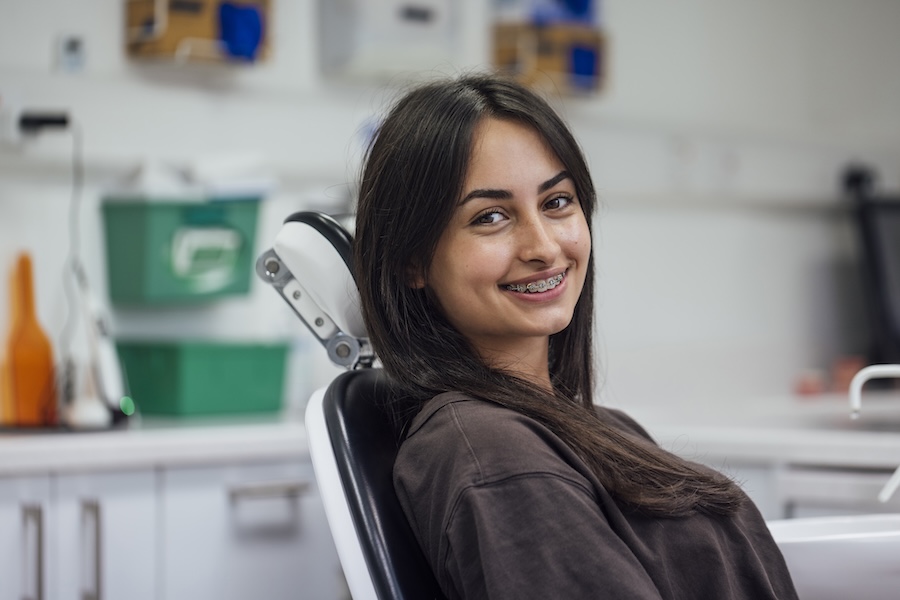
Invisalign can be appealing for teens because the aligners are clear, removable, and easier to clean around than braces. Teens can take them out for meals, brushing, and flossing. That can make eating and home care feel more normal.
However, Invisalign only works when the aligners are worn as directed. If trays are left out too often, forgotten at lunch, or not changed on schedule, treatment may not progress the way it should. A teen who is responsible with routines may do very well with clear aligners. A teen who is likely to misplace trays or avoid wearing them may need a different orthodontic plan.
At ADC Dental Group, Dr. Durling can talk with your teen and family about orthodontic goals, Invisalign, oral hygiene, and whether clear aligner treatment fits the situation. The right option should support both the smile and the daily routine.
Brushing and Flossing Without the Power Struggle
By the teen years, parents usually do not want to monitor every brushing session, and teens usually do not want them to. Still, many teens need reminders or better systems, especially if plaque is building up or cavities keep forming.
Instead of turning brushing into a nightly argument, it can help to make the routine easier to follow. A soft toothbrush, an electric brush, floss picks, a water flosser, or a timer may help. For teens with Invisalign, brushing before putting aligners back in is especially important because trapped food and sugar can sit against the teeth.
Flossing is often the harder habit to build. Teens may do better with floss picks or small interdental brushes if string floss feels too tedious. The best tool is the one they will actually use.
Dental visits can help reinforce these habits without making the parent the only messenger. When Dr. Durling or the hygiene team shows a teen where plaque is collecting, the advice becomes more specific. Instead of hearing “brush better,” they can see exactly which spots need more attention.
Energy Drinks, Coffee, and Snacking
Teen diets can be tough on teeth, especially when drinks and snacks are spread throughout the day. Energy drinks, soda, sweet tea, flavored coffee, sports drinks, candy, and chips can all contribute to cavity risk in different ways.
Sugary drinks feed bacteria that produce acid. Acidic drinks can also soften enamel, especially when they are sipped slowly over time. Sticky snacks can cling to grooves and between teeth. Even frequent “small” snacks can keep the mouth in an acid cycle longer than a regular meal would.
This does not mean teens can never have their favorite drinks or snacks. However, a few changes can help. Drinking water between meals, finishing sweet drinks instead of sipping them all afternoon, choosing tooth-friendlier snacks more often, and brushing before bed can make a meaningful difference.
If your teen has braces or Invisalign, food and drink habits need extra attention. Braces can trap food around brackets, and aligners should not be worn while drinking anything besides water unless directed otherwise. Otherwise, sugar and acid can sit against the teeth under the trays.
Wisdom Teeth and Late-Teen Dental Visits
Wisdom teeth often become part of the dental conversation during the later teen years. Some wisdom teeth come in without causing problems. Others grow at an angle, stay impacted, crowd the back of the mouth, or become difficult to clean.
A teen may notice soreness near the back molars, swollen gums, jaw tenderness, bad taste, or headaches. However, wisdom teeth can also cause concerns before symptoms appear. X-rays can help show whether there is enough room for them to come in properly.
Not every teen needs wisdom teeth removed right away. The recommendation depends on position, symptoms, cleaning access, and whether the wisdom teeth are affecting nearby teeth.
Routine dental visits give Dr. Durling a chance to monitor development over time. If wisdom teeth are likely to cause problems, your family can discuss timing before the situation becomes painful or urgent.
Helping Teens Take Ownership of Their Smile
One of the best things parents can do is help teens take more ownership of dental care without stepping away completely. Teens are learning how to manage their schedules, bodies, health, and choices. Dental care is part of that larger shift.
A teen may need help setting reminders, keeping extra floss picks in a backpack, storing aligners safely, or remembering to wear a mouthguard. They may also need honest conversations about soda, vaping, grinding, piercings, or habits that can affect oral health.
Dental appointments can support that growth. Teens can ask questions, hear feedback, and learn how their choices affect their teeth in real time. If they understand the reason behind a recommendation, they are more likely to follow through.
The tone of these conversations makes a difference. Teens tend to respond better to practical guidance than scare tactics. A few small habits done consistently can protect their smile far more than occasional bursts of perfect brushing.
When Your Teen Should See the Dentist
Most teens benefit from dental checkups and cleanings about every six months, though some may need visits more often based on cavity risk, gum health, orthodontic treatment, or other concerns. If your teen has braces, Invisalign, frequent cavities, bleeding gums, or sports-related dental risks, staying current with visits becomes even more helpful.
Schedule a dental visit sooner if your teen has tooth pain, sensitivity, swollen gums, bleeding, a chipped tooth, a lost filling, jaw pain, or a mouth injury. Do not wait for a small issue to become a bigger one.
If your teen wears Invisalign, bring aligners to visits when asked. If they play sports, ask whether their mouthguard still fits, especially during growth spurts or orthodontic treatment.
A routine visit can also be a good time to talk about whitening, orthodontics, wisdom teeth, grinding, or habits that may be affecting the teeth. The more open the conversation, the easier it is to make a plan.
Teen Dental Care in Joplin, MO
Teen dental health is about more than brushing reminders. It includes cavity prevention, sports protection, orthodontic planning, wisdom tooth monitoring, and daily habits that can last well into adulthood.
At ADC Dental Group in Joplin, MO, Dr. John C. Durling helps teens and families understand what is happening in the mouth and what steps can help protect the smile. Whether your teen needs a routine cleaning, help with cavities, a mouthguard, an Invisalign conversation, or guidance on better home care, the team can help create a plan that fits this stage of life.
If your teen is due for a dental visit, schedule an appointment with ADC Dental Group. A thoughtful checkup can help your teen stay healthy, confident, and better prepared to care for their smile as they grow.
FAQs
How often should teens go to the dentist? Most teens should visit the dentist about every six months for a cleaning and exam. Some may need more frequent visits if they have cavities, gum inflammation, braces, Invisalign, or other concerns.
Why do teens get cavities? Teens can be more prone to cavities when they snack often, sip sugary or acidic drinks, brush quickly, skip flossing, or have trouble cleaning around braces or aligners.
Does my teen need a mouthguard for sports? A mouthguard is strongly recommended for contact sports and many activities where falls or impacts can happen. A custom mouthguard can fit better and feel more comfortable than many store-bought options.
Is Invisalign a good option for teens? Invisalign can work well for responsible teens who will wear their aligners as directed. If trays are left out too often or frequently lost, another orthodontic option may be better.
Should teens use an electric toothbrush? An electric toothbrush can help some teens brush longer and more thoroughly. However, a manual toothbrush can also work well if used consistently with good technique.
When should wisdom teeth be checked? Wisdom teeth are often monitored during the teen years with exams and X-rays. Not every teen needs removal, but an evaluation can show whether the teeth have enough room or may cause problems.
Categorised in: Dental Tips, Family Dental Care