
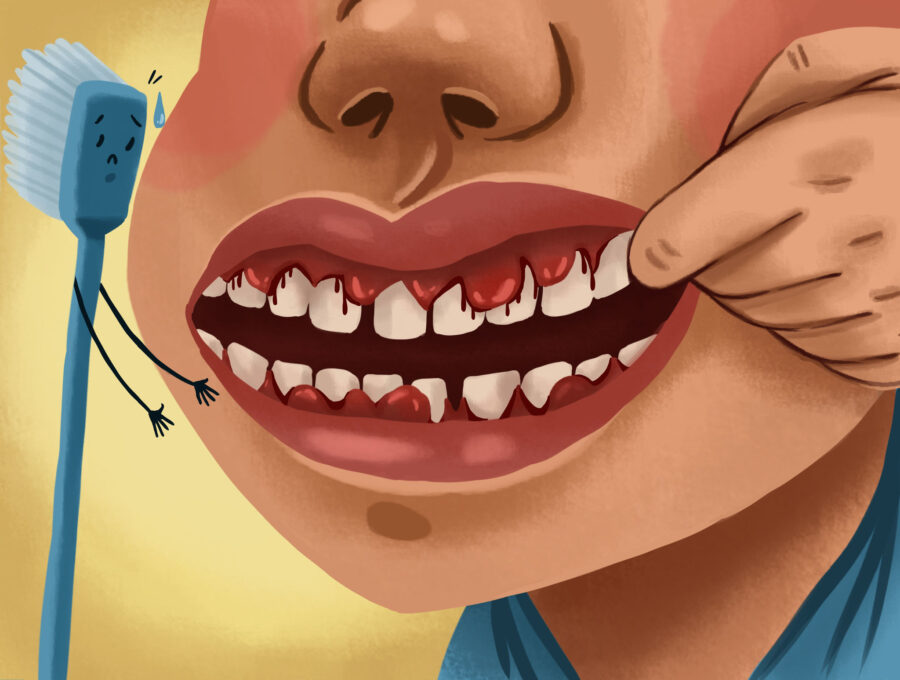
Bleeding Gums: The Most Common Causes (and When It’s Serious)
March 18, 2026It’s easy to brush off a little pink in the sink. Maybe it happens while flossing, or during brushing, and it seems minor enough to ignore. Many people assume it’s just from brushing too hard or using a new toothbrush.
Occasional irritation can happen, but bleeding gums are often an early signal that something isn’t quite right. In many cases, it points to inflammation along the gumline—something that tends to improve with the right care, but can progress if left unaddressed.
At ADC Dental Group in Joplin, MO, Dr. John C. Durling often evaluates gum health during routine visits. Understanding what causes gums to bleed—and when it’s worth a closer look—can help patients take the right next step.
Gingivitis: The Most Common Cause
The most frequent cause of bleeding gums is gingivitis, which is the early stage of gum disease.
Gingivitis develops when plaque builds up along the gumline. This thin layer of bacteria can irritate the gums, leading to redness, swelling, and bleeding—especially during brushing or flossing.
The encouraging part is that gingivitis is reversible. With consistent brushing, flossing, and professional cleanings, the inflammation often improves and the gums return to a healthier state.
Brushing or Flossing Changes
Sometimes bleeding gums appear when someone makes a positive change to their routine.
For example, starting to floss regularly after a long break can cause the gums to bleed for several days. The tissue is adjusting to being cleaned in areas that may have been missed before.
Similarly, switching to a firmer brushing technique can irritate the gums. In these cases, using a soft-bristled toothbrush and gentle pressure is usually more effective and more comfortable.
If bleeding continues beyond a week or two, it’s often worth having the gums evaluated.
Plaque and Tartar Buildup
When plaque is not removed consistently, it can harden into tartar along the gumline.
Tartar creates a rough surface that allows more bacteria to accumulate, which can keep the gums in a constant state of irritation. This often leads to bleeding during brushing or flossing.
Because tartar cannot be removed at home, professional dental cleanings are important for restoring gum health.
Hormonal Changes
Hormonal changes can also affect how the gums respond to bacteria.
Situations such as pregnancy, puberty, or hormonal fluctuations can make the gums more sensitive and prone to inflammation. This is why some patients notice increased bleeding even when their oral hygiene habits have not changed significantly.
Maintaining consistent brushing and flossing during these times helps manage the body’s response.
Medications and Health Conditions
Certain medications can increase the likelihood of bleeding gums.
For example, blood thinners may make gums bleed more easily during brushing or flossing. Other medications can contribute to dry mouth, which allows bacteria to accumulate more readily.
Some underlying health conditions—such as diabetes—can also affect gum health and increase inflammation if not well controlled.
Vitamin Deficiencies
In some cases, bleeding gums can be linked to nutritional deficiencies, particularly low levels of certain vitamins.
Vitamin C plays an important role in maintaining healthy gum tissue. A deficiency can lead to increased gum sensitivity, swelling, and bleeding. Similarly, vitamin K is involved in blood clotting, and low levels may make gums bleed more easily.
While vitamin deficiencies are less common than plaque-related causes, they can still contribute to gum symptoms. If bleeding persists despite good oral hygiene, it may be worth discussing dietary habits or overall health with both your dentist and primary care provider.
When Bleeding Gums Become More Serious
While occasional bleeding may be mild, persistent or worsening symptoms can indicate a more advanced condition.
As gingivitis progresses, it can develop into periodontitis, a more advanced form of gum disease that affects the supporting structures of the teeth. At this stage, symptoms may include:
Gums that bleed frequently
Gum recession
Persistent bad breath
Teeth that feel loose or shifting
Periodontitis requires more involved treatment to control infection and protect the bone that supports the teeth.
Gum Health Care at ADC Dental Group in Joplin, MO
Bleeding gums are often one of the earliest signs that the gums need attention. Addressing the cause early can help prevent more complex dental issues and support long-term oral health.
At ADC Dental Group in Joplin, MO, Dr. John C. Durling evaluates gum health as part of routine dental care, looking for early signs of inflammation as well as more advanced concerns. Treatment recommendations are based on the condition of the gums and the underlying cause of the bleeding.
If you’ve noticed your gums bleeding during brushing or flossing, scheduling an appointment at ADC Dental Group in Joplin, MO can help determine what’s causing it and what steps can help restore healthier gums.
Image from Authority Dental under CC 2.0
Categorised in: Gum Health