ADC Dental Blog

Top Five Reasons to Begin Invisalign Treatment This Summer

Summer is a great time for teens to begin their Invisalign treatment so that they can get used to the aligners at home. In today’s blog, learn more about the best reasons to begin Invisalign treatment once school lets out.

1. Have Plenty of Time to Get Used to the Aligners
Invisalign treatment includes a series of clear plastic aligners that are essentially invisible. Though no one will be able to see your teen’s Invisalign braces, he or she may feel a little self-conscious at first. By starting treatment in the summer, your teen will have plenty of time to get used to the look and feel of the aligners before returning to school in the fall.

2. Develop an Invisalign Routine
Generally, Invisalign aligners are incredibly easy to care for, but your teen may need a bit of time to develop a comfortable routine. Aligners should be removed when eating or drinking, and your teen should carefully place them in water in order to keep them clean and sterile. Additionally, it’s important to clean the aligners regularly using a denture cleaner, Invisalign care kit, or toothbrush.

3. Miss Fewer Classes for Appointments
Your teen will need to come in initially for a consultation before we can recommend Invisalign treatment. Next, he or she will need to have the aligners fitted. We strive to make these appointments as brief and painless as possible, but it is helpful to start them during the summer so that your teen won’t miss too much school time. During your teen’s Invisalign treatment, he or she will need to come in for quick update appointments once every six weeks. These appointments are usually very brief, and the staff at ADC Dental will do everything we can to make sure your teen’s school schedule is interrupted as little as possible.

4. Continue Enjoying a Normal Diet and Oral Care Routine
Fortunately, there’s no need for teens to alter their diets during Invisalign treatment. They can still enjoy the same foods and drinks they normally consume, which means they’ll have plenty of chances to indulge in ice cream and other cool treats during the summer. However, because it’s important to remove the aligners before eating or drinking, it is helpful for many teens to get used to the process at home instead of having to handle it while at school.

5. Start Improving Oral Health Right Away
Teeth that are out of place can heighten your teen’s risk of periodontal disease and tooth loss. Fortunately, Invisalign corrects problems with his or her alignment, jaw, and bite. Once you’ve decided that Invisalign is the right solution for your teen, it’s a good idea to get started right away. The summer season offers the perfect opportunity for teens to start improving the quality of their oral health.

image by A. Witt

Five Ways to Ease Your Baby’s Teething Pains

Teething is a painful process for babies, and it’s tough on parents as well. Your baby may have trouble sleeping and could experience fever and irritation as his or her new teeth sprout through the gums. In today’s blog post, we’ve put together a few tips to help ease your baby’s teething pains.

All babies experience varying degrees of pain during teething, so you may need to try a few different solutions to find the one that is really effective for your child. Fortunately, each of these methods is a natural and medication-free way to soothe pain.

1. Choose the Best Teething Rings
Though you might be tempted to reuse your older child’s teething rings, it’s important to invest in the newest models. Many older teething rings become too hard when they are frozen and they provide less relief than some of the newer and softer models available today. Older teething rings may also contain Bisphenol A (or BPA), a potentially dangerous chemical that can harm your baby. Look for new teething rings that don’t become fully solid when frozen.

2. Cool the Gums
Cool materials and different textures can be soothing to your baby’s irritated gums. Get a clean wet washcloth and wring it out until it is damp. Freeze it until the cloth is very chilled or slightly frozen and let your baby chew on it. The cool temperature will ease pain and inflammation while the soft texture provides a contrast to plastic teething rings. Be sure to watch your baby carefully in order to prevent choking hazards. The ADA (American Dental Association) also recommends that parents give their babies chilled spoons to ease the pain of teething, as the spoon is larger and prevents less of a choking risk than some other objects.

3. Use Healthy Teething Biscuits
Teething biscuits are another popular way to soothe the pain of developing teeth. However, many teething biscuits are full of sugar and preservatives that parents would rather not give their children. Look for organic teething biscuits or low-sugar options that provide relief and healthy nutrients.

4. Rub Baby’s Gums
If you don’t have any other pain relieving aids available, you can always use a finger to massage your baby’s gums. Of course, you definitely need to wash your hands thoroughly with soap and water before putting them in your baby’s mouth in order to avoid spreading germs and bacteria to his or her already-sensitive gums. Be sure to avoid gel hand sanitizers, as they contain chemicals and fragrances that are dangerous when ingested.

5. Comfort and Soothe Your Baby
As your baby’s teeth come in, be sure to offer extra comfort. Babies are typically very uncomfortable during teething and they may become extra cranky or irritable. Sometimes your child just needs to be held a little longer or soothed to sleep so that he or she can get some rest. When all else fails, rock your baby gently or find a fun game to distract him or her from the pain.

image by abbybatchelder

Visiting the Dentist After a Long Time Away? Five Things You Need to Know

Occasionally we see patients who haven’t been to the dentist in years. Whether you stopped visiting the dentist because you didn’t have insurance or because you lost track of time, there’s no better time than today to get back on track. In today’s blog post, we’ve compiled everything you need to know before visiting if it’s been awhile since your last dental appointment.

1. Be Prepared for a Full Exam
Generally, any patient who has gone for an extended period of time without professional dental care should get a full exam during his or her return appointment. Your full exam will likely include the following points:

  • Dental x-rays to look for bone loss, malformed roots, teeth that haven’t come in yet, jaw structure, and tooth decay
  • Deep cleaning and scaling to remove plaque, tartar, and calculus
  • Tooth polishing
  • Oral cancer screening

After some time away, you may also have developed cavities or lost some of your tooth enamel. Your dentist can recommend any procedures you may need to prevent more serious complications in the future.

2. Plan Ahead for a Longer Appointment
You’re likely to have a significant amount of plaque built up on your teeth after years without professional oral care. In most cases, it will take longer for your dental hygienist to remove these deposits from your teeth. Plan ahead for a slightly longer appointment so that you won’t run late for anything else if your cleaning takes longer than expected. You may also experience some pain and discomfort during the cleaning and swelling or bleeding for a couple of days afterward. Cleanings generally don’t cause pain, but they can be uncomfortable if you wait too long between appointments.

3. Update Your Medical History
Make sure your dentist is aware of any recent changes to your medical history. Your dentist should know if you’ve had any recent health problems, surgeries, hospitalizations, or major diagnoses. It’s also important to let the dentist know if you’re taking any medications. While you’re checking over the forms, be sure to also verify that your personal information is all listed correctly.

4. Let the Dentist Know If You’re Nervous
Many people are afraid of dental treatment, and there’s nothing to be ashamed of if you’re a little nervous about your appointment. Let your dentist and hygienist know in advance so that they can take extra care during your exam and cleaning. Dental professionals are used to working with anxious patients, and they may be able to recommend alternative treatment methods to alleviate your fears. At ADC Dental, we take care to make your appointment as painless and positive as possible.

5. Preventative Care is Your Best Solution
Some patients are afraid of getting lectures when they return to the dentist after many years. Though your dentist and hygienist may take some time to advise you on the most important dental care procedures you can follow at home, rest assured that you aren’t being lectured or judged for your typical oral care routine. We truly believe that a simple routine of brushing twice per day and flossing once per day is the easiest and most effective way to build a strong foundation for your oral health, and we hope to help all of our patients achieve great results!

image by Christopher Schmitt

All About Gingivitis: Signs, Symptoms, and Treatment Options

Gingivitis is the earliest stage of gum disease—and if you catch it quickly enough, it’s a fairly easy condition to treat. In today’s blog post, we’ve put together a brief guide to the signs, symptoms, and treatment options available for gingivitis.

In most cases, gingivitis is caused when bacterial plaque accumulates between and around your teeth. The accumulation can lead to deteriorated gingival tissue, which can ultimately create further complications such as tooth loss. However, gingivitis can also be caused by factors such as hormonal changes, diseases like cancer and diabetes, drug use, smoking, and your family history.

Signs That You May Have Gingivitis
Patients with gingivitis often have red, puffy gums—and your teeth may bleed whenever you brush your teeth. In some cases, gingivitis can be resolved through good oral health habits. Flossing your teeth, using an antiseptic mouthwash, and brushing more frequently and for a longer time can eliminate plaque and bacteria from your mouth.

You may also notice some of the following signs:

  • tender, soft, or purple gums
  • inflammation of the gums
  • halitosis (bad breath)
  • receding gum line
  • bleeding when flossing

The Symptoms You’ll Experience
People with mild cases of gingivitis often don’t realize that they have the oral disease because they experience few symptoms. Because many of the signs of gingivitis can also indicate other oral health problems, people might fail to recognize the damage that gingivitis is having on their gums and teeth. It’s important to visit your dentist for regular checkups so that he or she can assess your risk of gingivitis and other forms of periodontal disease.

Treatment Options to Improve Your Oral Health
The effects of gingivitis are easy to reverse if the patient receives an early diagnosis and prompt treatment. Most situations require treatment at home and treatment from a dental professional. First, your dentist will remove plaque and tartar buildup through a process known as scaling. He or she will also help you develop an effective oral healthcare routine in order to ward off further problems with your gums. In some cases, you may need additional dental work so that you can properly maintain your oral hygiene. Dental problems such as crooked teeth or crowns that fit poorly can make it harder for you to effectively remove tartar and plaque from between your teeth and gums.

At home, you should maintain dedicated oral health habits to keep your teeth and gums in great shape. You should always brush at least twice per day and floss at least once per day without exceptions. You may also consider using additional tools like an antiseptic mouthwash, fluoridated toothpaste, tongue scraper, and electric toothbrush to get your mouth as clean as possible. By following a consistent oral healthcare routine and visiting your dentist every six months, you can prevent gingivitis and maintain a happy, healthy smile.

image by US Army Africa

Four Questions to Ask Yourself Before Starting Invisalign

Invisalign treatment has become especially popular over the past few years, with all kinds of people taking advantage of the clear alternative to metal braces. In today’s blog post, we’ve put together a list of questions you should ask yourself before starting this effective and affordable treatment.

1. What Do I Want My Smile to Look Like?
Invisalign provides a clear, easy way to straighten your teeth and to correct problems with your alignment. If you find yourself keeping your mouth closed when you smile or covering your mouth when you laugh, Invisalign could be the solution you need. Before we begin your treatment, we can create a computer-generated image to show you what your smile should look like when it’s finished. This technology gives you an idea of what to expect and can help you make the decision to improve your smile.

2. Do I Want to Improve the Look or Health of My Teeth?
Everyone has different priorities when it comes to their dental health. At ADC Dental, we take a comprehensive approach to dentistry by doing everything we can to keep your teeth healthy and looking their best. Fortunately, Invisalign meets both of these goals. Your Invisalign braces will gradually shift your teeth into a straighter position so that you can have the smile you’ve been dreaming about. As the aligners work, they’ll also correct problems with your bite, straighten your teeth, and fix problematic tooth spacing so that you can enjoy the benefits of great oral health for years to come.

3. Can I Handle the Requirements of Invisalign?
For most people, Invisalign has a minimal effect on their daily lives. You can still eat all the same foods and maintain your normal oral healthcare routine because you’ll remove the aligners for these activities. However, it’s important to make sure that you properly clean the aligners and store them in water each time you remove them to eat, brush, or floss. These important steps keep your aligners looking clear and free of bacteria. Though most people have no trouble keeping up with this routine, young teens should be cautioned about the importance of these hygienic steps. Additionally, you’ll need to schedule a quick checkup appointment every six weeks. We keep these appointments brief and flexible in order to make Invisalign as convenient as possible for you.

4. Will Braces Fit into My Budget?
Finally, it’s important to make sure that Invisalign fits into your budget before getting started with the procedure. Many patients are concerned that the aligners will be costly because Invisalign is a more fashionable alternative to traditional metal braces. However, Invisalign treatment is actually very similar in price to other braces and alignment options. From a straighter smile to healthier teeth, the benefits you’ll enjoy are well worth the investment.

image by Dr. Alper, DMD, Cosmetic Dentist

Four Important Tips to Help You Find the Right Dentist

Most people spend a lot of time finding the best auto mechanics and restaurants—but they choose their dentists and doctors blindly based on their insurance coverage. In today’s blog post, we’ve put together a few tips to help you make an informed choice as you find the perfect dentist for you and your family.

1. Look for a Clean, Comfortable Office
Most likely, a dentist’s surroundings are pretty indicative of the level of care and service you can expect to receive. Obviously, your dentist’s office should be clean and sterile for hygienic reasons, but a clean office also shows that your dental team cares about your comfort. A professional team will always prioritize your health and safety, which means that you can rest easily during your appointment. When you walk into your dentist’s office, you should feel relaxed, at ease, and ready to improve the quality of your oral health.

2. Ask about Appointments for Kids
Most dentists have young patients, but that doesn’t mean that every dentist really understands how to connect with kids. Before switching to a new dentist, ask about the approach he or she will take to teach your kids about the importance of good dental care. Though you may need to help your child conquer his or her fears before a dental appointment, your dentist should be working on your side to make the appointment goes as smoothly and painlessly as possible. Kid-friendly dentists will remain calm and friendly with kids, taking care to engage them in conversation and to help them understand why dental care matters.

3. Find Dentists Who Know Their Work
Of course, it’s also essential to look for a dentist who is experienced and knowledgeable about dentistry. Don’t be afraid to ask questions about your dentist’s background. Qualified dentists won’t take offense to your questions, and they will be happy to see that you are taking precautions to make sure that the quality of your dental care is up to par. Questions are especially important if you have a particular dental issue that needs to be addressed. In this case, you should be sure to find out whether or not your new dentist is equipped to handle the issue.

4. Make Sure Your Needs are Met
Finally, you should also look for a dentist that is convenient for you and your family. Find a dentist who has a good location and who makes it easy for you to get an appointment. There’s no need to waste your time traveling to a faraway office or working to get appointments for the whole family packed into a single open time slot. From convenient appointments to top dental care, the best dentists work with you to make sure that your needs are met at all times.

When you’re ready to start seeing a dentist who will improve your oral health, contact ADC Dental to see if we’re right for you. We offer convenient online scheduling options, a kid-friendly atmosphere, a welcoming office, and skilled dentists to meet your needs. Our team does everything possible to deliver great dental care to every patient—and that’s why we’re proud to call ourselves the Home of the Healthy Smile.

image by lorenkerns

Four Cosmetic Treatments that Make Your Smile Healthier

At ADC Dental, we believe that your health should always come first. However, we also understand the importance of cosmetic treatments. Sometimes a cosmetic fix provides an important confidence boost—and sometimes, it can also help to prevent future dental problems. In today’s new blog post, we’ve compiled a list of cosmetic treatments that can help you get a happier, healthier smile.

1. Repairing Cracked, Chipped, and Worn Teeth
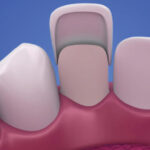
Whether you need a bridge, crown, veneer, sealant, or filling, ADC Dental offers a number of cosmetic procedures intended to repair cracked, chipped, and worn teeth. New advances in dental technology allow us to match the materials we use to the natural color of your teeth so that no one will be able to tell the difference. Repairing damaged teeth helps you to have a happier smile—but it can also keep you from developing problems with your bite. Fillings, bridges, and other cosmetic procedures can also help your other teeth to stay in place.

2. Caring for Gum Disease
Red, swollen, and bleeding gums often indicate gingivitis or other forms of gum disease. You may be anxious to treat these types of problems because of their aesthetic impact, but treating the problem early is also important for your health. The effects of gingivitis can often be reversed if they are treated early enough. However, gum disease that is left untreated can lead to tooth loss and significant health problems down the line.

3. Getting a Straighter Smile with Invisalign
Many teen and adult patients choose Invisalign, the clear alternative to braces, in order to straighten their teeth discreetly. Through a series of clear plastic aligners, your teeth will be slowly shifted back into place. Invisalign also has important health benefits for your smile. The treatment can correct problems with your bite and keep your teeth aligned in a natural way so that they don’t get crowded or develop gaps.

4. Filling Gaps with Tooth Implants
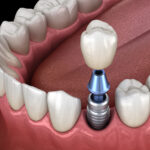
Missing a tooth can be embarrassing and uncomfortable for patients—but dental implants fill gaps and look totally natural. Your dentist will attach an aesthetic crown to an implant in order to create a natural-looking replacement for your missing tooth. While some dental procedures can have a negative impact on bone growth in your mouth, dental implants promote growth near the treatment site. It’s a great and healthy way to get the smile you want.

Your health always comes first at ADC Dental, but that doesn’t mean that you can’t still benefit from cosmetic treatments. Many cosmetic dentistry procedures promote healthy teeth and gums, and some can even lower your risk of serious health problems like heart disease and diabetes. We take a comprehensive approach to dentistry because we believe that your health and happiness are both extremely important. Contact us today at 1-866-478-7695 or schedule an appointment online to learn more about the cosmetic dentistry procedures that could be right for you.

image by falldownmoon

Five Important Times to See Your Dentist Right Away

Though it’s important to visit the dentist every six months, many people still put off their appointments. However, delaying your visit can be especially dangerous to your health if you’re experiencing particular symptoms. Check out our latest blog post to learn more about when you should see a dentist right away.

1. Sore or Bleeding Gums
If your gums are sore throughout the day or if they bleed when you brush your teeth, you could have a type of gum disease called gingivitis. Fortunately, gingivitis is a fairly early stage of gum disease that can be treated—and if you catch it early enough, its effects can be reversed. Schedule a dental appointment at the first sign of gum soreness or bleeding.

2. Sensitive Teeth
People with sensitive teeth often fail to recognize the severity of their conditions. Sensitive teeth may seem like a minor annoyance, but they can actually be a sign of larger dental problems. Additionally, over-the-counter remedies for sensitive teeth generally don’t provide any treatment beyond pain relief. In many cases, sensitive teeth are indicative of tooth decay, tooth fractures or worn enamel and fillings. If your teeth feel particularly sensitive for longer than a week or so, call your dentist.

3. Toothaches
Toothaches are clearly painful and can vary in degrees of severity. However, toothaches also indicate a variety of other more serious problems such as cavities, impacted teeth, abscesses, or gum disease. If you have a toothache that persists, visit the dentist to find out what the underlying cause is—and to see if it can be fixed or saved.

4. Cracked or Broken Teeth
Teeth can break or crack for many reasons, and you might not even always notice that there is a problem. Some cracks and breaks are even difficult for dentists to see with x-rays. However, if you’re experiencing pain when chewing, you may have a broken or cracked tooth that can lead to a larger dental problem or tooth loss in the future. If you think you might have a break or crack in one of your teeth, contact a dentist immediately.

5. Jaw Pain
Finally, jaw pain can also be indicative of many other dental problems. Pain in your jaw can be caused by injuries or sinus problems or by grinding your teeth. If your jaw hurts, clicks, or pops, schedule a dental appointment right away. Your dentist can determine where the pain is coming from by performing x-rays or a thorough exam.

Some dental problems may require additional treatment or precautionary measures, but you can often prevent future problems by visiting the dentist in a timely manner. Early detection and swift treatment are the best ways to keep your teeth and gums in great condition and to promote long-lasting oral health.

image by shino 誌野

Four Important Reasons to Prioritize Your Oral Health

You can have the smile of your dreams, but achieving it does require some work and extra care for your teeth. In today’s blog post, we explore the top benefits of great dental care. Learn more about why it’s so important to prioritize your oral health.

1. Keep Your Teeth White
Everyone wants to have a whiter smile. Our smiles are one of the first things that other people notice about us, and brighter teeth can give you more confidence. There are professional treatments and at-home alternatives available to help you get a whiter smile, but you can also prevent your teeth from yellowing by brushing and flossing regularly. Avoid substances that can stain your teeth like coffee, tea, wine and cigarettes.

2. Prevent Tooth Decay and Gum Disease
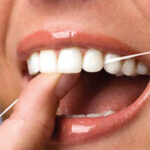
Flossing each day is one of the best things you can do to prevent tooth decay. In fact, some dentists even suggest that flossing is more important than brushing. At ADC Dental, we emphasize the benefits of both oral health practices. Brush twice each day and make time to floss at least once. We also recommend fluoride treatments and products like mouthwash and toothpaste with added fluoride to prevent cavities, gum disease, and decay.

3. Avoid Costly Dental Treatments
Poor oral health habits lead to a wide range of dental problems—and issues like gum disease and tooth decay can ultimate require complicated, expensive treatments. Dental problems that are left untreated can also cause increased damage to the bones supporting your teeth and your gum tissue. You should plan to visit the dentist once every six months, but you can avoid costly and painful procedures once you get there by taking action to care for your teeth now.

4. Minimize the Risk of Health Problems
Great oral health has also been linked to a minimized risk for general health problems like heart disease and diabetes. People with bleeding gums can suffer when bacteria from their mouths enters their bloodstreams. This bacteria promotes the development of small blood clots that ultimately put the patient at a higher risk for heart disease and strokes. Caring for your teeth and gums is one of the best ways to maintain an overall healthy lifestyle.

Though conscientious dental care might not seem like a top priority for your overall health, it’s one of the best ways to care for your teeth, gums, and the rest of your body. You’ll also enjoy the benefits of a bright, healthy smile and lower bills from the dentist’s office. Start focusing on your oral health today.

image by osseous

Your Frequently Asked Questions: Seven Answers about Invisalign Treatment

With affordable treatment options and a nearly invisible look, Invisalign is one of the best ways to straighten your teeth and correct problems with your bite. Many of our patients have questions about the clear alternative to braces before they get started. In today’s blog post, we answer some of the most common questions about Invisalign treatment.

1. Will people be able to tell that I’m wearing braces?
No. Invisalign treatment includes a series of clear, plastic aligners that are fitted to match your teeth. Though traditional metal braces are often clunky and noticeable, people will not be able to tell the difference between your normal smile and your smile with aligners. Invisalign offers a convenient, subtle way to correct the straightness of your teeth.

2. Are there any types of food or drink that I can’t have?
Absolutely not! In general, we do recommend that people stay away from sugary treats and beverages like coffee and wine because they can cause tooth decay and stain your teeth. However, these recommendations are unrelated to Invisalign, so you can still enjoy all of the same food and drinks that you normally do while wearing your aligners.

3. How should I care for my Invisalign braces?
While you won’t need to change your normal oral health routines, you do need to spend a few extra minutes each day caring for your aligners. Whenever you stop for a meal or to brush your teeth, you should remove your aligners and rinse them thoroughly to keep bacteria and plaque from building up. Store the aligners in a closed container or a glass of water in order to prevent saliva from drying on them. You should also use a denture cleanser, Invisalign cleaning kit or toothbrush to regularly clean your aligners.

4. Can I remove my aligners for a special event or a party?
Yes—as long as you’re wearing your aligners for an average of 20-22 hours per day, it’s okay to remove them for an extended period of a few hours. Many patients remove their aligners when they attend formal events or parties where they will be eating periodically or will be unable to clean and replace their aligners right away.

5. Does Invisalign cost more than other types of braces?
Generally, Invisalign treatment is very similar in cost to the options available with traditional metal braces. At ADC Dental, we offer a free consultation session so that you can come in and learn more about the various options and pricing available through Invisalign. We’ll work closely with your family to find a dental solution that fits your needs.

6. How frequently do I need to make appointments during my treatment?
At your initial appointment, we’ll make sure your aligners are fitted to match your teeth. By molding the aligners to fit your mouth, you’ll see better results and enjoy a more comfortable fit. As you go through treatment, you’ll need to come in for an appointment about every six weeks. During these appointments, we’ll make sure that your aligners are still fitted closely to your teeth and monitor the progress of your treatment.

7. What kind of results can I expect?
Great oral health correlates strongly with your overall health. Improving your smile and keeping your teeth in great condition is one of the best ways to promote health and to lower the risk of problems like tooth decay, gingivitis, periodontal disease, diabetes and heart disease. At the end of your Invisalign treatment, you’ll enjoy straighter teeth, better oral health, and a happier smile!

image by Jιℓℓ